
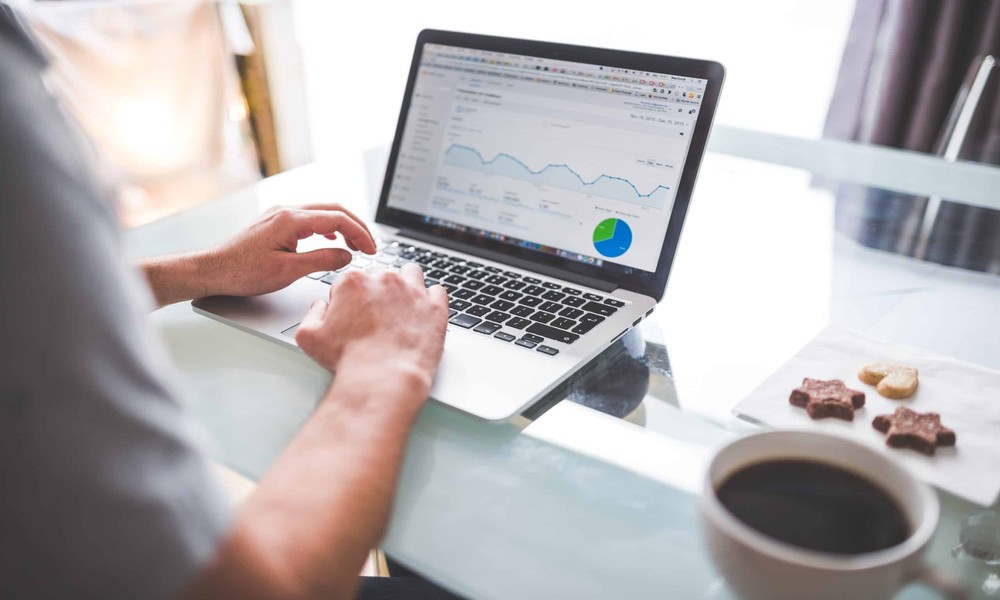
Does tracking improve productivity?
Remote teams operate without the built-in structure that physical offices provide naturally. When employees are spread across different schedules, verifying actual work engagement becomes genuinely difficult through conventional methods alone. click here for more info on how purpose-built tracking tools give organisations a clearer picture of where working hours actually go each day.
What makes these tools useful is not just data collection, but consistency over time. A supervisor managing several remote employees cannot manually verify when each person started, paused, or disengaged from tasks. Automated capture handles that without interrupting anyone’s workflow. Sessions get logged, idle gaps get noted, and patterns emerge that would otherwise stay invisible to management.
This visibility matters especially when performance reviews come around. Rather than relying on memory or informal impressions, managers work from documented records. That shift from subjective assessment to evidence-based evaluation changes how distributed teams are managed at a foundational level.
Are hours accurately recorded?
Manual timesheets carry a structural weakness; they depend on self-reporting. Employees fill them out at day’s end, reconstructing hours from memory. Gaps appear, durations get rounded, and the final record rarely reflects what actually happened hour by hour throughout the day.
Automated capture removes that uncertainty entirely. The system registers active sessions, detects inactivity, and closes logs when work stops, with no employee input needed. Records are built throughout the day and consolidated into structured summaries for review.
A few functions that sharpen this accuracy:
- Session detection begins at login without requiring any manual entry from the user.
- Idle intervals are flagged separately, so genuine engagement is not confused with background computer activity.
- End-of-day summaries compile individual data into readable formats accessible at any point.
Visibility across distributed teams
Oversight gets harder when teams are not in the same room. Questions easily answered at a glance in an office, such as who is active, who has been idle, and who has finished, require a different infrastructure when everyone works remotely.
Tracking tools answer those questions through dashboards. A manager can review logged durations and spot anything irregular without interrupting a single team member. That gap between oversight and disruption is what makes this approach workable for distributed operations rather than intrusive.
Certain industries also maintain strict obligations around documented work records. Automated logs satisfy those requirements more reliably than self-reported sheets and hold up better if records face external review.
Supporting fair team management
Performance gaps in remote settings rarely surface through conversation. Managers work from impressions, who responds fastest, who joins calls reliably, who stays vocal in group threads. Over time, those impressions quietly shape how people get evaluated, even when actual work output tells a different story.
Hard time data cuts through that. When logged hours exist for every team member, assessment stops being a judgment call and starts reflecting something measurable. Quieter employees who put in consistent hours get seen accurately. Those who appear engaged but log shorter sessions get examined more carefully.
- Workload gaps become visible when completed hours sit noticeably below what was assigned for the period.
- Schedule conflicts surface early enough to redistribute tasks before deadlines are affected.
- Attendance disagreements get resolved through records that both sides can access and verify independently.
Remote workforce management gains real structure when time data stays accurate and consistently available. Tracking tools remove the guesswork that makes fair evaluation difficult, giving every decision a documented foundation rather than an assumed one.