
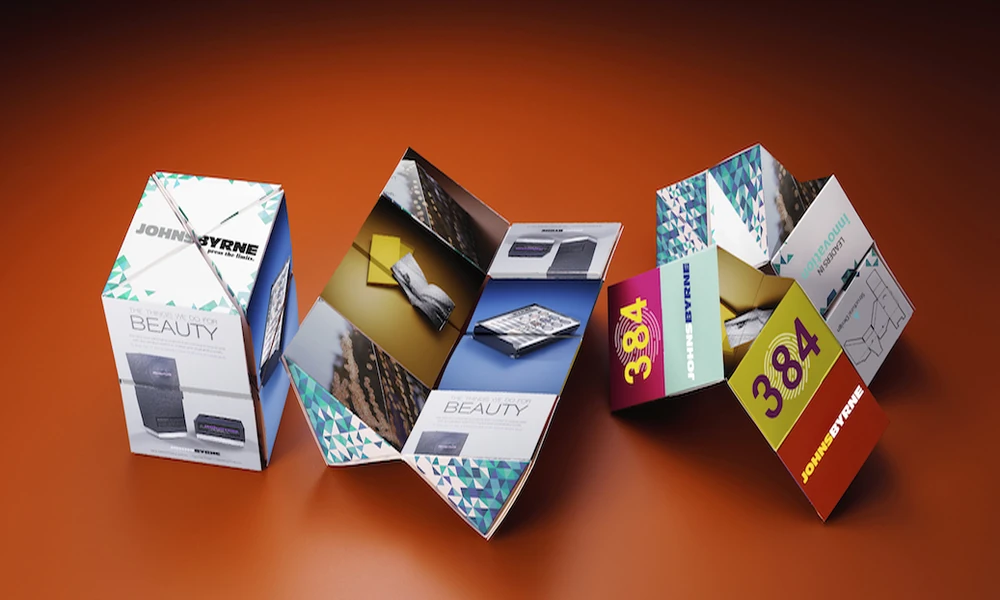
Packaging serves a practical purpose: it protects and contains a product.
But in a competitive market, packaging also plays an important communication role.
Before a customer has used a product, packaging can influence what they expect from it. Color, typography, imagery, materials, information hierarchy, and overall presentation can all contribute to the perceived value of a product.
For consumer brands, packaging is therefore both a functional and marketing asset.
Packaging Creates a First Impression
In physical retail environments, customers may encounter dozens of competing products at once.
Packaging helps a product attract attention and communicate what it is.
A well-designed package can quickly answer important questions:
- What is the product?
- Who is it for?
- What benefit does it provide?
- What makes it different?
- What brand produced it?
The design needs to communicate these points without overwhelming the customer.
Packaging Should Reflect the Brand
Packaging should not exist separately from brand identity.
A customer should be able to recognize the relationship between the product package, website, advertising, and other brand touchpoints.
For example, if a brand uses a sophisticated visual identity online but completely different colors and typography on its packaging, recognition can become weaker.
A consistent design system creates continuity.
Businesses developing product brands can explore Akkenna’s creative and branding services when considering how packaging can fit within a broader brand identity.
Color Can Influence Perception
Color is one of the most noticeable elements of packaging.
Different color combinations can communicate different qualities.
Muted colors may suggest sophistication or natural positioning. Bright colors may create energy and visibility. Dark palettes can sometimes support premium positioning.
However, color should never be selected based solely on general psychological assumptions.
Industry conventions, cultural expectations, competitors, and target customers should also be considered.
Typography Improves Communication
Packaging often has limited space.
Typography therefore needs to balance personality with readability.
The product name should be easy to identify.
Important information should have a clear hierarchy.
Supporting details can be presented at a smaller scale without competing with the primary message.
Poor typography can make even an attractive package difficult to understand.
Images Tell a Story
Product photography and illustrations can help customers understand what they are buying.
A food product may use imagery to communicate flavor or ingredients.
A beauty product may use photography to communicate the desired experience.
A premium product may use restrained imagery to create a sophisticated atmosphere.
The right visual approach depends on the product and audience.
Packaging Differentiates Products
A product doesn’t exist in isolation.
Customers compare it with alternatives.
If competitors use similar visual approaches, distinctive packaging can help create separation.
Differentiation doesn’t mean being unusual simply for attention.
The design should still communicate the product category and maintain credibility.
Consider the Unboxing Experience
For products sold online, packaging has another role.
The customer may encounter the package after purchasing rather than before.
This creates an opportunity for brands to make the delivery experience memorable.
Details such as:
- Outer packaging
- Product presentation
- Inserts
- Thank-you cards
- Protective materials
- Personalized elements
can contribute to the overall experience.
This is particularly valuable when customers share purchases on social media.
Packaging and Social Media
Packaging can become part of a brand’s content.
Visually distinctive packages may appear in:
- Unboxing videos
- Product photography
- Customer posts
- UGC videos
- Influencer content
- Reviews
This means packaging can influence marketing beyond the physical store or delivery box.
Don’t Sacrifice Functionality for Aesthetics
A beautiful package still needs to work.
Packaging should protect the product, provide required information, remain practical to handle, and suit storage and transportation requirements.
Designers therefore need to balance:
Brand appeal + usability + protection + information.
A visually impressive package that breaks easily or makes the product difficult to use creates a poor experience.
Sustainability Is Becoming More Important
Consumers and businesses are paying greater attention to packaging materials and waste.
Brands can consider:
- Material choices
- Recyclability
- Packaging volume
- Reusable components
- Responsible printing
- Clear disposal information
Sustainability claims should be accurate and supported rather than used simply as marketing language.
Test Before Launch
Packaging decisions can benefit from testing.
Businesses can compare different designs with target customers and ask:
- Which product attracts attention first?
- What does the design communicate?
- Is the product category clear?
- Does the packaging appear trustworthy?
- Which version feels most appropriate for the target audience?
Testing can reveal assumptions that internal teams may not notice.
Final Thoughts
Packaging is one of the few brand experiences customers can physically hold.
It communicates product information, reinforces identity, creates differentiation, and can even generate content opportunities after purchase.
The strongest packaging designs combine strategic thinking with practical execution.
Working with an experienced packaging design team can help businesses balance visual differentiation, usability, brand consistency, and the practical requirements of bringing a product to market.