
Introduction
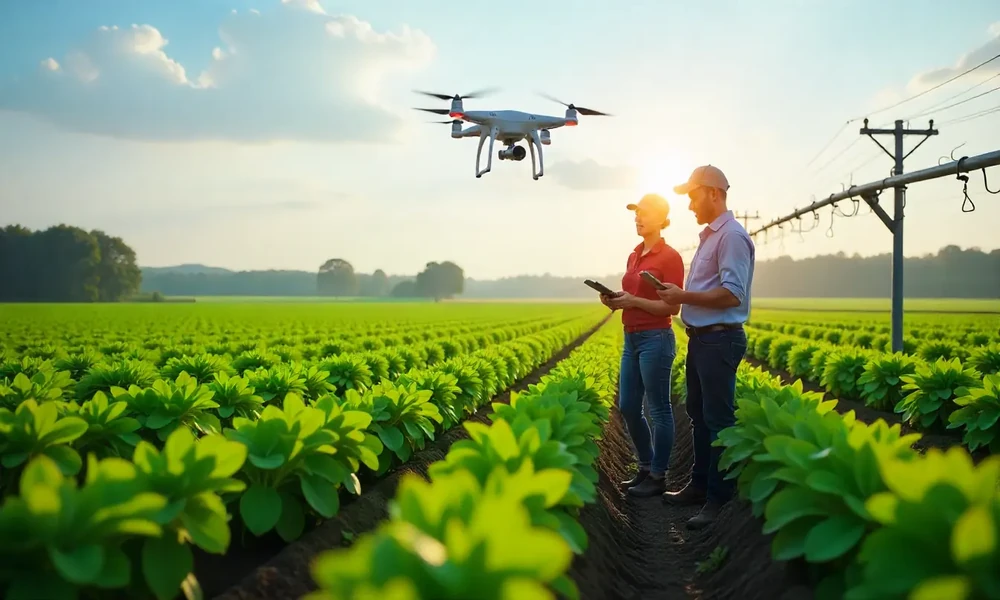
Artificial intelligence is becoming an increasingly useful tool in modern agriculture. AI-driven systems can help farmers monitor crops, understand soil conditions, manage resources, operate machinery, and make better decisions. As agricultural technology continues to develop, farmers need to understand new trends before investing in them. A practical approach can help farmers choose useful technology, control costs, and achieve better long-term results.
As agriculture continues to change through automation and digital tools, farmers are also adapting their roles rather than simply being replaced by technology. Many are taking on more technology-focused responsibilities, using data and AI systems to improve planning, monitor operations, and make informed decisions. This shift highlights how the modern agricultural workforce isnt disappearing theyre moving up guide toward more skilled and technology-driven ways of working, while practical farming knowledge remains essential.
Understand Your Farm’s Needs
Before adopting AI technology, farmers should identify the areas where improvements are needed. Some farms may require better crop monitoring, while others may need support with irrigation, pest control, weather planning, or machinery. Understanding specific needs makes it easier to choose technology that provides practical benefits instead of investing in unnecessary features.
Follow Relevant Technology Trends
AI is being used in many areas of agriculture, including smart tractors, crop monitoring, soil analysis, and automated equipment. Farmers should focus on developments that are relevant to their type of farming. Learning about new tools through agricultural training, demonstrations, and industry information can help farmers understand how these technologies work and whether they are suitable for their operations.
Pay Attention to Data Quality
AI systems depend on accurate information to produce useful results. Data from sensors, weather systems, soil tests, and farm records can influence the quality of recommendations. Farmers should regularly check their equipment and make sure data is collected correctly. Good-quality information allows AI tools to identify patterns more effectively and support better farming decisions.
Consider Long-Term Costs
The cost of AI technology should not be judged only by its purchase price. Farmers should also consider maintenance, software updates, repairs, training, and other ongoing expenses. A technology may offer advanced features, but it should provide enough practical value to justify its total cost. Comparing expected savings, productivity improvements, and resource use can help farmers make sensible investment decisions.
Train Farmers and Workers
Proper training is important when introducing new technology. Farmers and workers should understand how to operate AI-based systems, read information, and respond to recommendations. Training can also reduce mistakes and help users recognise when technology may not be providing accurate results. Regular learning can ensure that workers remain comfortable with changing agricultural tools.
Start with Small Projects
Farmers do not need to adopt several AI systems at once. Starting with one useful application can make it easier to understand the technology and measure its performance. Farmers can track changes in productivity, fuel use, water consumption, labour requirements, or operating costs.
Prepare for Future Changes
AI-driven agriculture is likely to continue developing. Farmers should therefore consider technologies that can adapt to future improvements. Keeping accurate records and reviewing technology performance regularly can help determine when upgrades or new solutions may be useful.
Conclusion
Understanding AI-driven agriculture trends requires careful planning and a focus on practical benefits. Farmers should identify their needs, follow relevant developments, maintain accurate data, consider long-term costs, train workers, and measure results. Starting small and reviewing performance can make technology adoption more manageable.